Brussels from the inside – signals from the centre of EU policymaking
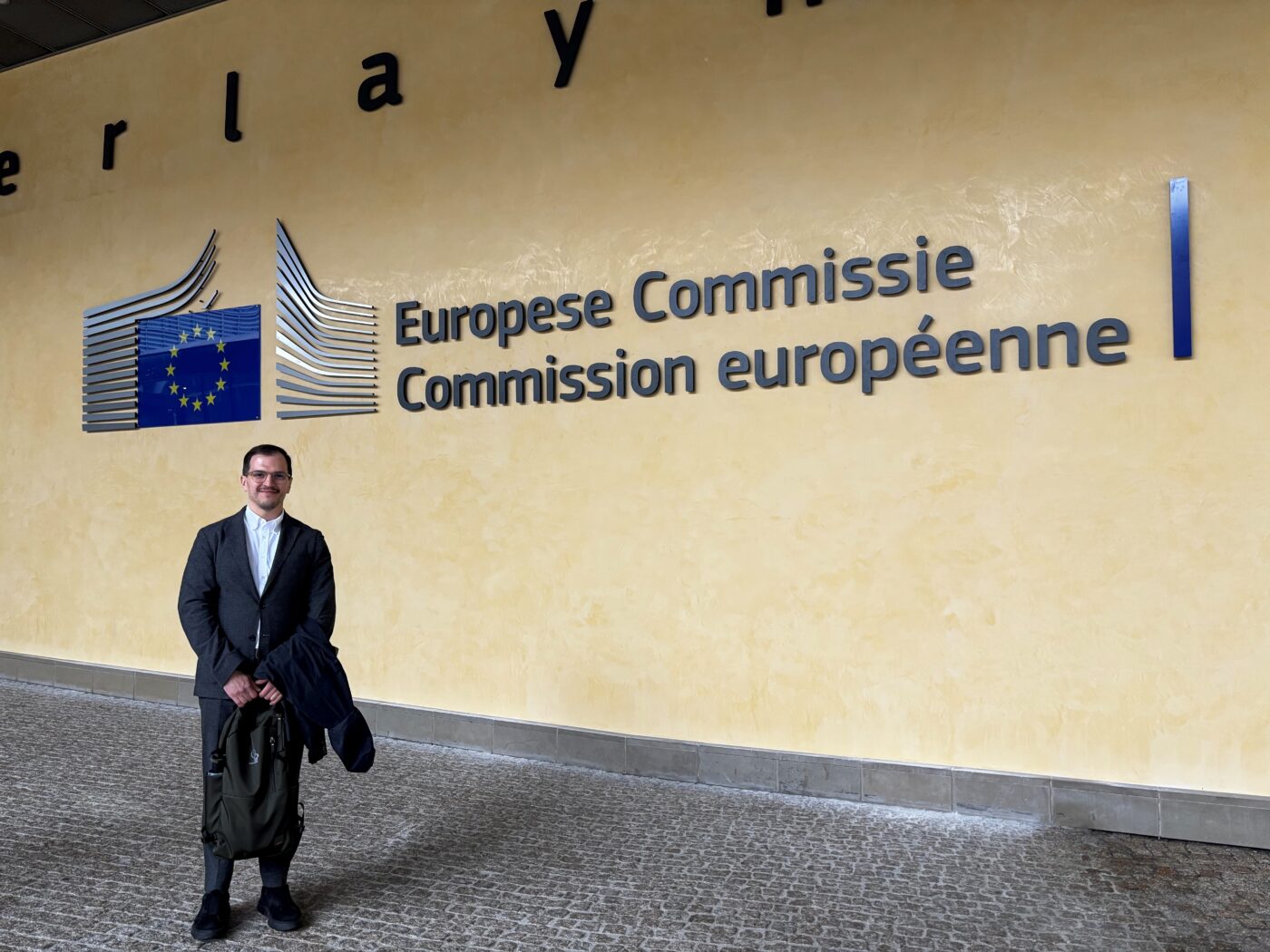
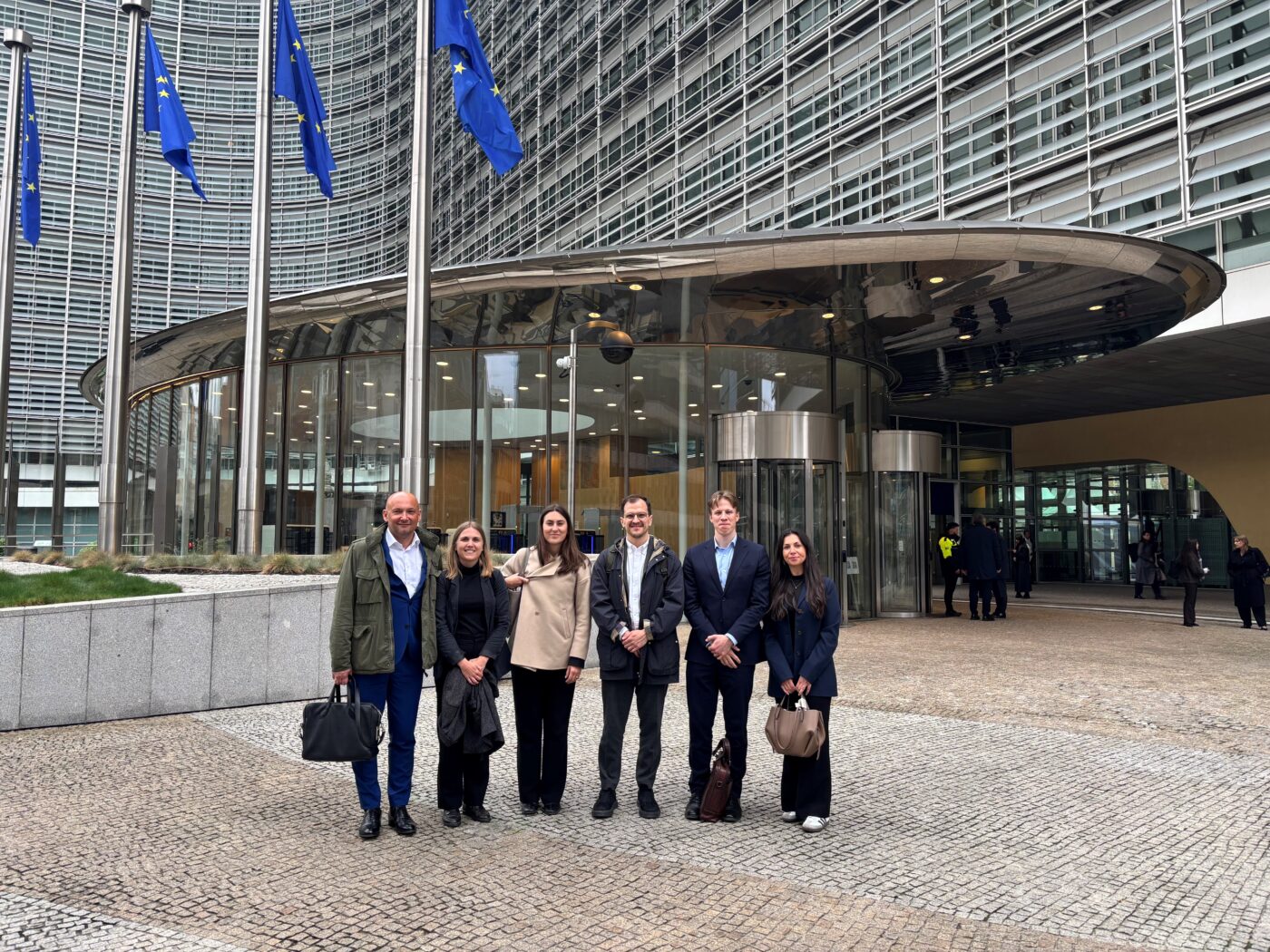
During the first week of May, our Head of Sustainability, Nikolay Burdakov, visited Brussels for meetings with the European Commission, industry associations, financing institutions, and companies active in the policy environment. The aim was to understand the direction of EU climate and industrial policy—and what it means for the companies we invest in.
A visit to Brussels always puts things into perspective. What can seem unclear in the media debate often becomes clearer when you meet the people who are actually driving the rules. This trip confirmed that the basic structure of European climate policy remains intact, but that implementation, pace, and the investor implications are more complex than they look on the surface.
ETS review in July - and what it means for investors
One of the most concrete developments is that the European Commission will present its ETS review in July 2026. The starting point is the politically agreed target of a 90% emissions reduction by 2040. The review is not a restart of climate policy, but a calibration of the instruments. Free allocation is being phased out in line with the integration of CBAM sectors, although the pace is still being debated. Carbon credits and permanent negative emissions are being brought more clearly into the ETS framework. The scope could expand -plastics and chemicals are mentioned as possible future sectors.
There is an investor problem embedded in this: the ETS risks disadvantaging first movers. Companies that have already made climate investments face double costs - they have invested in the transition and compete against actors that have not yet done so, and, shall we say, 'unfortunately' we have many such companies in the Nordics. This is a structural issue we need to keep in mind when evaluating portfolio companies’ transition plans.
CBAM – here to stay
Commission representatives were clear: CBAM and the ETS are "two sides of the same coin" - changes in one system are reflected in the other. The first CBAM declaration will take place at the end of September 2027. Until then, import data is limited, but trade flows are already being affected. For companies in steel, aluminium, and cement this is operationally relevant. Downstream products will likely be included in 2027–2028. We see CBAM exposure in portfolio companies as a parameter we need to monitor more actively.
Grids are the bottleneck - not demand
There is broad agreement in Brussels that electricity grids and permitting processes are the single most important bottleneck for the energy transition - whether you speak to WindEurope, the EIB, or DG CLIMA. Demand for wind exists, but the infrastructure is not keeping up. WindEurope highlighted that the EU risks missing its 2030 capacity target by a significant margin based on its own forecasts. Sweden was mentioned specifically as a market in decline and as a country that has left the Northern European sea energy cooperation.
EIB lending to electricity grids has tripled in recent years, and grids and energy storage are now the fastest-growing segments in its portfolio. Electrification is not primarily a technology question, but a permitting and grid question. For companies whose growth plans depend on grid connections, we need a deeper understanding.
Defence is changing the capital landscape
One of the clearest trends of the week was the rapid shift in defence financing. The SAFE instrument of EUR 150 billion, the EIB’s expanded mandate for dual-use and defence infrastructure, and private funds’ increased access to defence-related investments - all of this is changing capital flows in Europe. That the European Commission is now actively working to reduce regulatory barriers to defence investments is a marked change compared with just a few years ago. It affects portfolio companies operating at the intersection of industry and defence.
Reporting rules are being simplified – but the targets remain
The meeting with EFRAG clarified a question we often get from portfolio companies: what is happening with ESRS? The framework is in place and is not changing fundamentally - but it has been simplified and the number of data points has been reduced. The VSME standard means, in practice, that even companies outside the direct scope of the CSRD will need to report, because customer relationships require it. One formulation stuck with me: "In steady states the impacts will be risks." It captures double materiality well - over time, climate impact and climate risk are not separate assessments.
Circularity, raw materials, and resilience
From Euromines and the Commission, the need for domestic raw material supply was framed as a security issue, not only an environmental one. The Critical Raw Materials Act raises the question of how self-sufficient the EU needs to be, and the answer is still unclear. One central challenge remains: if virgin materials are cheaper, circular business models do not work. Regulation must create the right incentives. This directly affects companies we follow in recycling and resource efficiency.
The Green Deal holds – but bankability is lacking
The meeting with Norrsken Brussels was the most thought-provoking of the week. Not because it provided easy answers, but because it asked the right questions. Despite global pressure from the US and China, the message was clear: the EU’s green agenda is not being scrapped. There are lobbyists who want that and who gladly repeat rhetoric imported from the other side of the Atlantic. But the 2030 and 2040 targets are embedded in too many legal frameworks to be removed in one move.
The real problem is that Europe is systematically weak at moving projects from idea to investment decision. The ambitions exist. Innovation exists. But almost nothing reaches financing. The comparison is stark: the US and China have fewer projects, but the ones that start, actually start.
In sustainable finance, the problem is well-known but under-addressed: too much focus on reporting and disclosure, too little on bankability. How do we make the transition investable? That question was asked in Brussels without a good answer—and that in itself is an answer. One number illustrates it: the EU Innovation Fund, financed through ETS revenues and with tens of billions of euros available for industrial transition, has - according to a review by the European Court of Auditors - so far paid out only a couple of percent of committed funds to actual projects. The money exists. The bottleneck is the capacity to deploy it.
Europe’s strength is the rule of law and a culture of quality. The weakness is the ability to scale. One observation stayed with me: "Europe should not copy the US or China. The EU should look at itself." Predictable rules are Europe’s true competitive advantage - and precisely that environment creates the conditions for the companies we invest in to create long-term value.
What we take with us
The trip confirmed that EU climate and industrial policy is moving in a direction that benefits companies with clear transition plans and strong market positions. At the same time, implementation risks remain - permitting processes, grid build-out, the first-mover problem, and geopolitical disruptions - which we need to understand at company level.
We are active owners in companies we believe in for the long term. That requires us to understand the political and regulatory landscape they operate in - not only today, but over the coming years.
Nikolay Burdakov is responsible for ESG and sustainability in Sweden at Odin Fonder.
Active ownership in a challenging year – the road ahead for our Swedish funds
We have active ownership in focus when the market challenges the Odin model. 2025 became a reminder of how quickly market sentiment can shift. Rotations away from quality companies, small and mid-sized businesses, and companies with clear transition plans put pressure on several of our Swedish funds. In periods like these, our conviction only grows stronger that active ownership is essential for long-term value creation.